Greenford Station flats: Peak-hour move strategies
Posted on 14/05/2026
Moving in or out of a flat near Greenford Station can feel straightforward on paper, then suddenly turn messy the moment the peak-hour crowd arrives, the road gets tight, and the lift is already in use. If you are planning a move around commuter times, Greenford Station flats: Peak-hour move strategies are really about one thing: reducing friction before it turns into delay. A bit of timing, a bit of route planning, and a bit of local common sense can save you a lot of lifting, waiting, and last-minute stress.
This guide breaks down how to move well near Greenford Station during busy periods, what to do differently in flats, and how to avoid the common mistakes that catch people out. You will find practical steps, local-moving considerations, and a few sensible checks that make the day feel much more manageable. Truth be told, peak-hour moving is rarely glamorous. But it can be controlled.
Why Greenford Station flats: Peak-hour move strategies Matters
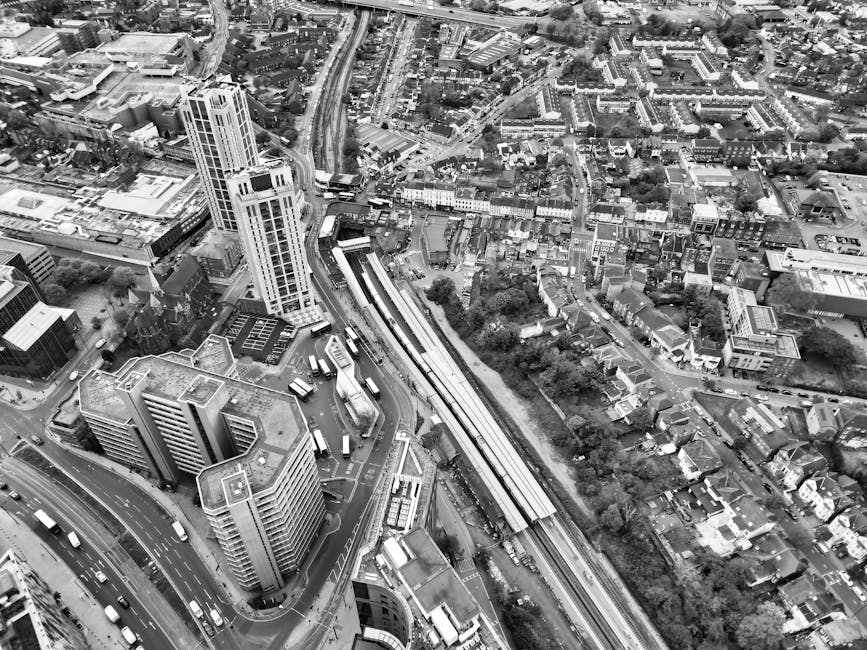
Greenford Station sits in a busy part of west London, and that matters more than people sometimes expect. If your flat is close to the station, the surrounding roads, pavements, and loading spots can all become more difficult at the same time commuters are heading in and out. A move that would be easy at 10:30am can become awkward by 8:15am or 5:30pm. That does not mean you cannot move then; it means you need a smarter plan.
Flats bring their own challenges anyway. Stairs may be narrow, lifts may be shared, and there is often limited space to stage boxes, trolleys, or a removal van. Add peak-hour traffic and the usual London parking realities, and you have a situation where even a short delay can ripple through the entire day. One missed slot, one blocked entrance, and suddenly everyone is standing about with a wardrobe half out the door. Not ideal.
Peak-hour move strategies matter because they reduce those small points of failure. They also help protect building relationships. If neighbours, residents, or a managing agent see a move that is organised, quick, and respectful, everything tends to go better. That is especially useful in blocks where access is shared and patience is limited.
For a broader sense of how a smooth move is put together, it is worth reading about packing prowess for a swift and simple house move and how decluttering can make the whole process lighter. Both topics become even more valuable when the clock is working against you.
How Greenford Station flats: Peak-hour move strategies Works
The approach is simple in principle: you plan the move around the traffic, the building access, and the smallest number of trips possible. In practice, that means working backwards from the awkward parts of the day and organising everything so the van is not waiting while someone hunts for keys, tape, or a parking space.
Think of it as reducing handovers. The fewer times a box, sofa, mattress, or appliance has to be picked up, put down, and moved again, the better. Peak-hour strategy is mostly about compression: compressing time, compressing distance, and compressing the amount of movement around the building entrance. Less faff, more flow.
The process usually includes:
- choosing a move window outside the busiest commute times where possible
- pre-packing and labelling everything before the van arrives
- reserving lift time or at least informing residents in advance
- checking parking options for the building and nearby streets
- deciding what must go first so the van is loaded in the right order
- keeping a clean path from the flat to the vehicle
If you are moving furniture, the building layout matters just as much as the clock. A large bed frame or wardrobe can be the item that slows everything down. That is why many people plan larger items separately, using specialist help such as furniture removals in Greenford when the flat access is tricky. For delicate or unusually heavy pieces, piano removals in Greenford are a good example of why experience matters more than brute force.
On a practical level, the strategy works best when every minute has a purpose. If the van arrives, loading should already be underway. If the building has a lift, items should be grouped by size and priority so no one is deciding in the hallway whether the lamp or the kettle goes next. Small decision, big delay.
Key Benefits and Practical Advantages
The biggest benefit is obvious: less stress. But there is more to it than that. A well-timed move near Greenford Station can also lower the risk of damage, reduce waiting time, and make you a better neighbour for the day. That sounds a bit neat, but it really does matter.
- Faster loading and unloading: You spend less time stuck at the kerb or in a communal entrance.
- Less lifting fatigue: When the team is not waiting around, the job tends to stay more controlled.
- Lower disruption to residents: Peak-hour traffic and noise are both harder to tolerate, so efficiency helps.
- Better parking outcomes: Early planning can make a difficult parking situation manageable.
- Less risk of building congestion: Shared lifts and corridors stay clearer for everyone.
There is also a hidden advantage: better decision-making. When people are rushed, they stack boxes badly, forget fragile labels, or leave essentials at the bottom of the van. Moving at the wrong time often creates the very chaos you were trying to avoid. Peak-hour strategy is, in a sense, anti-chaos planning.
For people who want to simplify the packing side, the guide on packing and boxes in Greenford is a practical companion piece. And if you want the move to feel a bit lighter emotionally, how to transition homes without losing your cool is a calm read for exactly that reason.
Who This Is For and When It Makes Sense
This approach is useful for anyone moving from a flat near Greenford Station, but it is especially relevant if you fall into one of these groups:
- tenants moving in or out of a managed block
- students on tight timelines and limited budgets
- households with large furniture in upper-floor flats
- people moving on a weekday when commuter traffic is already heavy
- anyone with limited loading access or a short parking window
- residents who need a same-day or fast turnaround move
It also makes sense if you are trying to coordinate other moving tasks at the same time. For example, if you are cleaning before handover, the timing becomes tighter. A useful reference here is deposit-return cleaning advice, because there is always that last bit of dust behind the radiator when you are in a hurry. Always.
If your move involves a student flat or a smaller one-bedroom, the strategy is often even more effective because a compact move can be loaded and unloaded quickly if everything is organised. That said, compact does not mean easy if you have no parking plan. The same logic applies to larger homes, just with a few more boxes and a lot more coffee.
For urgent situations, you may also want to consider same-day removals in Greenford. That option is not for every move, but when timing is tight it can be the difference between a stressful scramble and a workable plan.
Step-by-Step Guidance
Below is a practical sequence you can follow. It is designed for flat moves near a station area where timing, access, and parking all matter.
- Pick your move window carefully. If you can avoid the heaviest commuter periods, do it. Even shifting by one hour can make a visible difference.
- Check building access rules. Ask whether there are lift bookings, move-in time slots, or restrictions on moving van access.
- Plan the parking. Identify where the van can stop without blocking buses, crossings, or residential access. The local streets around station areas can be unforgiving.
- Pack by priority. Essentials, fragile items, and large furniture should be separated from general boxes. Do not make the whole job one giant pile of unknowns.
- Label every box clearly. Room labels save time at both ends. "Kitchen" is better than "misc". Every time.
- Disassemble what you can in advance. Beds, table legs, and shelving often move better when taken apart before peak activity starts.
- Create a clear staging area. Keep the hallway and entrance as empty as possible so loading stays steady.
- Load in reverse order. Put the first items you need at the back of the van last, so unloading is efficient.
- Keep a small essentials bag with you. Keys, chargers, tea bags, medication, documents, and basic tools should not be buried under blankets and tape.
- Do a final walk-through. Check cupboards, meter points, window sills, and behind doors. People leave things in the most ridiculous places. It happens.
If your move includes awkward or bulky items, read more about moving a bed and mattress efficiently. Mattresses are deceptively awkward in hallways, especially when other residents are coming and going. For bulky soft furnishings, sofa handling and storage guidance can also help you avoid needless damage.
A good rule of thumb: if a task can be done the evening before, do it the evening before. That one habit solves more moving problems than most people realise.
Expert Tips for Better Results
Peak-hour moving near Greenford Station is mostly about timing, but the small details make the move feel professional.
1. Move the biggest items first, but only if the path is clear
It is tempting to start with boxes because they are easy. Yet the heavy furniture is often what gets in the way later. If the path from flat to van is clear, take advantage of it early.
2. Use fewer trips than you think you need
People often underestimate how long repeated trips take, especially in a building with a lift that stops on every floor. Group boxes sensibly and avoid the "I'll just grab this one more thing" cycle. That cycle is where time disappears.
3. Build in buffer time around station traffic
Even if your actual move point is only a few streets away, station traffic can change suddenly. Add a buffer for loading, parking, lift delays, and a little human indecision. Human indecision is always there, lurking.
4. Keep valuables and documents separate
Identification, tenancy paperwork, bank cards, spare keys, and any sensitive items should stay with you, not in the van. That is just good practice.
5. Protect floors and communal areas
Small floor runners or cardboard sheets can help reduce scuffs in hallways and lifts. It is a considerate move and it can prevent awkward conversations with a managing agent later.
6. Match the service level to the move
Not every move needs a full-service solution, but some do. If your access is tight or the furniture is heavy, a specialist service may be the calmest option. You can compare broader choices through removal services in Greenford, or look at the more focused support offered by man and van services in Greenford and man with a van in Greenford.
One more thing: if you are moving in the summer, peak-hour congestion can feel slightly worse simply because more people are out and about. On a damp weekday morning, by contrast, you may find the same route behaves differently. Local moving is like that. A bit unpredictable, but not random.
Common Mistakes to Avoid
Most moving delays are not dramatic failures. They are small, avoidable mistakes that stack up.
- Booking the van too late in the day: By then, traffic and fatigue are both working against you.
- Assuming parking will be easy: Never treat parking as an afterthought near a station.
- Leaving packing until the morning: That usually leads to rushed labelling, poor box weight balance, and missing essentials.
- Ignoring lift restrictions: Some buildings have move rules, and they can cause delays if overlooked.
- Overfilling boxes: Heavy boxes are slower to carry and more likely to split.
- Not telling neighbours or the concierge: Basic courtesy can prevent avoidable tension.
- Forgetting insurance and responsibility questions: Especially when moving larger or higher-value items, you should understand what is covered and what is not.
There is also a common emotional mistake: trying to do too much yourself. A bit of self-reliance is useful, of course, but there is a point where it stops being efficient. If a washing machine or piano is involved, the risks rise quickly. For heavier solo-lift scenarios, the article on independent heavy lifting techniques is worth reading, though ideally you still choose the safer path when possible.
And if you are moving a freezer, plan it properly. Appliances need care before, during, and after transit, which is why expert advice on storing a freezer with care can be surprisingly relevant even on a moving day.
Tools, Resources and Recommendations
You do not need a van full of specialist kit to move well near Greenford Station, but a few practical tools make a big difference.
| Tool or resource | Why it helps | Best for |
|---|---|---|
| Strong boxes and labels | Speeds up packing and room placement | Most flat moves |
| Furniture blankets | Reduces scratches and knocks in tight spaces | Sofas, tables, wardrobes |
| Sliding dolly or sack truck | Moves heavier items with less strain | White goods, stacked boxes |
| Floor protection | Helps prevent damage in communal areas | Managed flats, lifts, hallways |
| Removal checklist | Keeps the day organised and reduces forgotten tasks | Every move, honestly |
In terms of service selection, start by asking how much help you need with loading, transport, and unloading. If you are unsure, compare the broader options in the services overview and then work backwards from your access limitations. That is often the cleanest way to choose.
If you need storage between tenancies, a short pause can be useful, especially if peak-hour access is creating a bottleneck. See storage in Greenford for situations where you need a temporary home for furniture or boxes. And for people who want to keep costs visible before they commit, pricing and quotes is the right place to check the next step.
A small but important recommendation: keep tape, scissors, bin bags, a marker, and a charger in one obvious pouch. The number of moves slowed down by "where did I put the tape?" is, frankly, a bit embarrassing. But common.
Law, Compliance, Standards, or Best Practice
For most flat moves, the main compliance issues are practical rather than legal, but they still matter. In managed buildings, you may need to follow move-in or move-out rules set by the landlord, managing agent, or freeholder. These can include access times, lift booking procedures, noise expectations, or requirements for protecting shared areas.
You should also be careful about parking and loading near the station. Local restrictions, yellow lines, permit bays, and loading limits can all apply. Because these rules vary by street and time of day, it is sensible to check before moving day rather than assume you can stop anywhere for a few minutes.
From a safety perspective, good practice usually means:
- using safe manual handling techniques
- avoiding overloaded boxes
- keeping walkways clear
- protecting communal flooring and lift interiors
- making sure children and pets are away from the active moving route
If you are using a removals provider, it is reasonable to ask about their approach to safety and insurance. The page on insurance and safety explains the kind of reassurance people usually want before booking. It is also sensible to review health and safety policy information if you want a clearer picture of working practices.
On the trust side, moving companies should be transparent about payment terms, expectations, and complaint handling. That is just good practice. For extra peace of mind, you can also review payment and security details and the complaints procedure. No one wants to use them, but it is reassuring to know they exist.
Options, Methods, or Comparison Table
There is no single right way to move near Greenford Station. The best method depends on how much furniture you have, how busy the area is, and how fast you need the job done.
| Method | Best for | Strengths | Trade-offs |
|---|---|---|---|
| DIY move with hired van | Small, simple flats | Lower cost, flexible timing | More lifting, more planning, higher stress in peak hours |
| Man and van service | Medium flats and fast local moves | Practical, efficient, adaptable | Limited capacity for larger or more complex jobs |
| Full removals service | Bulky or higher-value moves | More support, less strain, better for awkward access | Usually costs more than a minimal option |
| Storage-first move | Delayed move-in dates or decluttering | Flexible, reduces pressure on the day | Two-stage process, extra coordination needed |
For student tenants or smaller households, student removals in Greenford can be a better fit than a larger house-move setup. For families or full-property moves, house removals in Greenford often make more sense. And if your flat is especially tight for access, flat removals in Greenford is the most directly relevant service to look at.
Case Study or Real-World Example
Consider a typical weekday move from a two-bedroom flat a short walk from Greenford Station. The resident has a sofa, a bed frame, several boxes of books, a washing basket of loose items, and one awkward freezer that really should have been dealt with earlier. The building has a shared lift, and the street outside is busy by mid-morning.
The first version of this move would have gone something like this: van arrives late, boxes still being taped, lift occupied by a neighbour, parking space taken, everyone frustrated. Classic. Instead, the move is planned for early morning, the boxes are already grouped by room, the bed is dismantled in advance, and the freezer is prepared correctly before transport. The team loads the largest items first while the access route is clear, then works through the smaller boxes without stopping to sort things on the pavement.
The result is not magical, just organised. Less waiting. Fewer lifts. No panic in the corridor. The resident still has a slightly frazzled look by lunchtime, because moving home does that to people, but the actual job gets done with far less drama than if they had tried to battle the commuter peak without a plan.
That is really the heart of Greenford Station flats: peak-hour move strategies. Not perfection. Just practical control, with a bit of calm and a few useful decisions made early.
Practical Checklist
Use this checklist the day before and again on the morning of the move.
- Confirm the moving time and building access rules
- Check parking and loading options near the flat
- Reserve the lift if the building requires it
- Pack a clearly labelled essentials bag
- Disassemble beds or bulky furniture where possible
- Protect floors, corners, and shared areas
- Keep fragile items separate from heavy boxes
- Prepare ID, keys, contracts, and payment details
- Clear the route from the flat to the van
- Do a final room-by-room sweep before leaving
Expert summary: The best peak-hour move strategy near Greenford Station is usually the simplest one: reduce waiting, reduce walking distance, and reduce the number of decisions you make on the day. If you plan access, parking, packing, and load order in advance, the move feels much more manageable.
Conclusion
Moving from or into a flat near Greenford Station during busy hours does not have to become a stressful mess. With the right timing, a realistic plan for access and parking, and a sensible approach to packing and loading, you can keep the day moving smoothly even when the area itself is busy. The trick is to treat the move as a sequence of small decisions, not one giant all-or-nothing event.
If you are still deciding how much help you need, it may be worth comparing the options for removal companies in Greenford and removal van hire in Greenford. And if you want a local team that knows the area, about us gives you a sense of the people behind the service.
Get a free quote today and see how much you can save.
With a bit of preparation, a busy station area becomes just another part of the move, not the whole story. And honestly, that is usually enough.