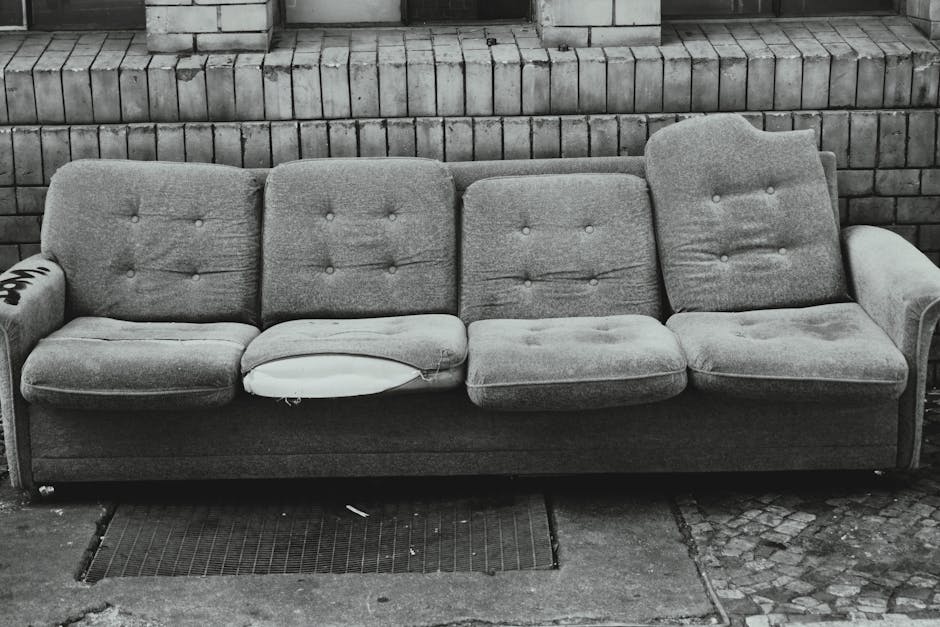
Bulky waste in Greenford: Sofa & mattress disposal rules
Posted on 22/05/2026
If you are staring at an old sofa wedged in the hallway or a mattress that has had one spring too many, you are not alone. Bulky waste in Greenford is one of those jobs that looks simple right up until you try to move, load, and dispose of it properly. Then the questions start: can it go out with the regular rubbish, does it need special handling, and what should you do if you need it gone quickly?
This guide breaks down the sofa and mattress disposal rules in plain English. It covers what counts as bulky waste, how disposal usually works, what to avoid, and the best practical options if you want the job done cleanly and without hassle. If you are planning a move, clearing a flat, or replacing furniture, this should help you make a sensible decision rather than a rushed one. Truth be told, that is half the battle.

Why bulky waste in Greenford matters
Bulky items are awkward by nature. A sofa catches on door frames. A mattress bends just enough to be annoying, not enough to be easy. And if you leave either one where they should not be, you risk clutter, blocked access, and sometimes a complaint from neighbours or a landlord. In a busy area like Greenford, where flats, terraces, and shared access routes are common, disposing of large items properly is not just about tidiness. It is about safety, courtesy, and keeping your move or clear-out on track.
There is also the simple reality that not every item can go in a normal bin. Upholstered furniture and mattresses often need a separate collection method, whether that means a council bulky item service, a licensed removal solution, or a reuse and recycling route where the item is still in decent condition. If you are sorting a full room, decluttering before the move can make the whole process calmer. Less stuff, less lifting, fewer headaches.
One more thing people often overlook: sofa and mattress disposal can affect the rest of your schedule. If the item is blocking a room, delaying handover, or sitting in the way of new furniture, the knock-on effect can be surprisingly big. A single bulky item can stall a whole chain of tasks. A bit dramatic, maybe, but also very true.
How bulky waste in Greenford works
In practical terms, bulky waste disposal means arranging for large items that do not fit standard bin collection to be removed safely and lawfully. For sofas and mattresses, the key questions are usually condition, quantity, access, and urgency. If the item is clean and usable, reuse may be an option. If it is damaged, heavily stained, or structurally broken, disposal or recycling is usually the sensible route.
There are usually three broad ways to deal with it:
- Council-style bulky item collection where available, usually suited to one-off household clearances.
- Private removal or man and van service for quicker, more flexible collection.
- Recycling or reuse route if the furniture is in good enough shape to be passed on.
Mattresses deserve special attention. Because of their size, materials, and hygiene concerns, they are not something you want to leave by a communal bin and hope for the best. Sofas are similar, especially if they include wood, foam, fabric, springs, or fixed frames that make them awkward to break down. If you are moving out, the process often ties into the rest of the job. A good overview of furniture removals in Greenford can help you understand how bulky household items are typically handled alongside general moving tasks.
And here is the bit many people only discover when they are already mid-cleanup: access matters as much as the item itself. Narrow stairs, tight corners, no lift, bad parking, or a third-floor walk-up all change how long the collection may take. A sofa that looks manageable in the lounge can feel much less friendly once it is near the front door.
Key benefits and practical advantages
Getting sofa and mattress disposal right is not just about getting rid of clutter. Done properly, it can make the whole moving or cleaning process smoother, safer, and cheaper in the long run.
- Safer lifting and moving: bulky furniture is one of the easiest ways to strain your back or bang a wall.
- Cleaner handover: if you are leaving a rented property, removing unwanted furniture helps you prepare for final cleaning and inspection.
- Better space planning: once the old sofa or mattress is out, you can measure properly for replacements.
- Less risk of damage: awkward dragging can scuff floors, mark stairs, and damage doors.
- More flexibility: a proper collection service can often fit around your move day or clearance schedule.
There is also a quiet emotional benefit. A room without a dead mattress in the corner suddenly feels possible again. You can breathe a bit. Start fresh. That sounds small, but on a moving day, small wins matter. If you are combining disposal with a full relocation, the planning advice in how to transition homes without losing your cool is well worth a look.
Expert summary: The best bulky waste plan is the one that matches the item's condition, your access constraints, and your timeline. Good disposal is rarely about brute force; it is about choosing the right route early.
Who this is for and when it makes sense
This topic matters to a lot of people in very ordinary situations. You might be:
- moving house and replacing old furniture at the same time
- clearing a rental before check-out
- upgrading a guest room or spare bedroom
- emptying a property after a tenancy ends
- sorting inherited furniture that is no longer suitable
- dealing with water damage, wear and tear, or broken frames
It also makes sense if you simply do not have the vehicle, manpower, or time to shift a large item on your own. Let's face it, not everyone has a van parked outside or a friend who is magically available on a rainy Tuesday morning. In those moments, using a service designed for heavier items can save a surprising amount of stress.
Students and flat-sharers often run into this problem too. A mattress that has outlived a lease term, a sofa left behind by a previous tenant, or a last-minute clearance before term ends can all create a bit of chaos. For situations like that, student removals in Greenford can be useful because the timing is often tight and the furniture is awkward.
Step-by-step guidance
If you want to dispose of a sofa or mattress without wasting time, a simple plan helps. Here is a sensible sequence to follow.
- Check the item's condition. Is it reusable, recyclable, or simply at end of life? A clean, undamaged sofa may have more than one route available.
- Measure access. Look at hallways, door widths, stairs, lifts, and parking space. A few minutes with a tape measure can prevent a lot of swearing later.
- Separate materials if possible. If covers, cushions, or detachable parts can be removed safely, that may make handling easier.
- Decide your disposal route. Choose between reuse, bulky collection, or private removal depending on time and condition.
- Prepare the item. Clear surrounding items, protect floors, and make a safe path to the exit.
- Arrange collection or transport. Book the slot or vehicle early, especially if you need same-day help.
- Confirm final placement. Make sure the item does not end up abandoned in a communal area or outside your property without permission.
If the sofa or mattress is part of a bigger job, it can help to think in terms of the full house move rather than one object at a time. A well-planned pack-up using packing guidance for a swift and simple house move often saves time because you are not constantly working around loose items.
A quick real-world example: someone clearing a one-bedroom flat in Greenford may think the mattress is the only problem. Then the sofa turns out to be too bulky for the lift, the corridor is narrow, and the collection needs to happen before 9 a.m. because of parking. That is why planning beats improvising. Nearly every time.
Expert tips for better results
Over time, a few practical habits make bulky waste removal much easier.
- Book early if you can. Even if the item is only one sofa, availability can matter more than expected.
- Take a quick photo before you move anything. It helps confirm the item, the condition, and the access route.
- Keep pathways clear. Shoes, bins, side tables, and pet items all become trip hazards in seconds.
- Use proper lifting technique. Bend your knees, keep the load close, and do not twist under pressure. If you need a refresher, these solo heavy lifting techniques are a useful reminder, though for sofas and mattresses it is usually better to have help.
- Protect the property. Blankets, corner guards, and floor coverings can prevent scuffs on the way out.
- Think about reuse first. If the item is still usable, the most sustainable route is often to keep it in circulation.
If you are disposing of a sofa because you are storing or replacing one, the article on long-term sofa storage success is handy for understanding what keeps upholstery in decent condition. That matters because sometimes disposal is not the answer; storage is.
And for mattresses, a little hygiene awareness goes a long way. Bagging, covering, or keeping the item dry before collection helps avoid mess and makes handling more pleasant for everyone involved. Nobody enjoys dragging a damp mattress through a hallway. Nobody.
Common mistakes to avoid
Most bulky waste problems come from a handful of avoidable mistakes. The good news is that once you know them, they are straightforward to dodge.
- Leaving items outside too early. That can create complaints, weather damage, or the wrong item being taken by mistake.
- Assuming any van will do. Some sofas need more than just space; they need the right handling and loading approach.
- Forgetting access restrictions. A collection team cannot magically widen a stairwell.
- Not checking mattress cleanliness. Dirt, moisture, or pests can create unpleasant handling issues.
- Dragging instead of lifting. That is how floors get scratched and backs get grumpy.
- Mixing disposal with last-minute decluttering. If everything is treated as an emergency, the day gets messy fast. If you are trying to avoid that rush, this moving calm guide is a decent companion piece.
One subtle mistake is underestimating the emotional side of the job. People often hold off too long because the item is just "out of the way" for now. Then the room stays blocked, the move date gets closer, and the disposal becomes a mini-crisis. Happens all the time.
Tools, resources and recommendations
You do not need specialist equipment to deal with most sofa and mattress disposal jobs, but a few basics make life easier.
- Measuring tape: for checking doors, hallways, lifts, and stair turns.
- Work gloves: for grip and protection against staples or rough edges.
- Furniture blankets: useful when the item has to pass through tight areas.
- Ratchet straps or ties: handy if the item is being transported in a van.
- Strong bags or covers: useful for loose cushions, mattress protection, or separating small components.
As a broader planning aid, it is often smart to look at related moving services rather than treating disposal as a standalone task. For example, the services overview gives a useful sense of what can be bundled together, especially if you are clearing more than one large item.
If you are unsure whether the item should be moved, stored, or discarded, the best next question is usually: what is the cheapest safe option that still respects the item and the property? That framing stops people from overpaying for a simple job, or under-planning a complicated one.
If the item is going into temporary storage before final decision, storage in Greenford can be a practical bridge between now and the final clear-out. Not glamorous, but sometimes very useful.
Law, compliance, standards, and best practice
Bulky waste disposal in the UK is not just a practical issue; there is also a responsibility side. You should only use legitimate, traceable disposal routes for household furniture and mattresses. That means avoiding fly-tipping, avoiding unverified hand-offs, and making sure anyone taking waste away is handling it lawfully.
For homeowners and tenants, the safest approach is to use a recognised collection method or a service that can explain how the item will be removed, transported, and dealt with. For landlords and letting agents, this becomes even more important when a property is being turned around between tenancies. A messy sofa left at the kerb may look convenient for a moment, but it can create bigger problems very quickly.
Best practice also includes health and safety. Good handling means proper lifting, planning the route, and reducing trip hazards. If a service provides information about safety procedures, insurance, or how items are managed, that is a positive sign. You can also review insurance and safety information if you want reassurance around heavier or awkward items.
Where sustainability is concerned, many people now prefer a route that separates recycling from disposal where possible. That does not mean every sofa or mattress can be recycled into something useful, but it does mean choosing a provider that takes waste reduction seriously. A bit of care here goes a long way.
Options, methods, or comparison table
Different disposal routes suit different situations. Here is a straightforward comparison to help you choose.
| Method | Best for | Pros | Limitations |
|---|---|---|---|
| Reuse or donation route | Clean, usable sofas or mattresses in good condition | Most sustainable, avoids waste, can help someone else | Not suitable for damaged, stained, or unsafe items |
| Bulky collection service | Single items or small clear-outs with moderate timing flexibility | Convenient, usually organised, less heavy lifting for you | May require booking ahead and checking item rules |
| Private removal service | Urgent jobs, difficult access, multiple items, move-day clearances | Flexible, faster, easier for stairs and tight spaces | Usually costs more than a basic scheduled collection |
| Self-transport | Very small loads and people with suitable vehicle access | Full control over timing | Physical effort, loading risk, parking issues, and possible disposal-site restrictions |
In many real-life cases, the best option is not the cheapest on paper. It is the one that saves time, avoids damage, and fits the actual layout of the property. That is especially true for flats, where narrow corridors and stairs can turn a "simple" mattress move into a proper wrestling match.
Case study or real-world example
A typical Greenford scenario goes like this. A couple in a first-floor flat decide to replace their old sofa and mattress before moving into a new place. At first, they think they can leave the items for collection, then handle everything else later. But the sofa sits in the main living area, blocking packing boxes, and the mattress is leaning against a wall in the bedroom, making it awkward to sort clothes and linens.
Once they measure the hallway, they realise the sofa will need to be angled carefully to pass the stair bend. They also realise the mattress is easier to remove after the bed frame is dismantled, not before. A removal plan is put together: break down the bed area, clear the route, protect the floor, and arrange a collection window that matches parking availability. The whole thing becomes manageable instead of chaotic.
The detail that made the biggest difference was not force. It was sequence.
They also used the chance to sort out a few more items they no longer needed. That meant fewer trips, less clutter, and less stress on moving day. A small thing on paper, but in practice it changed the whole feel of the flat. If you are moving a mattress as part of a bigger job, these mattress moving tips are especially relevant.
Practical checklist
Use this checklist before arranging sofa or mattress disposal in Greenford.
- Confirm whether the item is reusable, recyclable, or waste.
- Measure the item and all access points.
- Check for stairs, lifts, parking limits, and tight corners.
- Remove cushions, covers, or detachable parts if appropriate.
- Protect floors and walls along the exit route.
- Decide whether you need same-day help or can book ahead.
- Make sure any collection route is lawful and traceable.
- Keep children, pets, and trip hazards away from the route.
- Ask what happens to the item after collection.
- Plan your next step for the room once the item is gone.
If the clearance is part of a broader property change, it may help to line up your moving support early. You can also review same-day removals in Greenford when timing is tight and the item really has to go now.
Conclusion
Bulky waste in Greenford is usually straightforward once you match the item to the right disposal route. Sofas and mattresses are awkward, yes, but they are also manageable with a bit of planning, the right lifting approach, and a sensible understanding of access, safety, and timing. The biggest wins come from measuring properly, choosing the correct service, and not leaving the job until it becomes an emergency.
If you remember only one thing, make it this: do not treat large-item disposal as an afterthought. It shapes the pace of your move, the cleanliness of your handover, and sometimes the mood of the whole day. Get it sorted early and the rest tends to fall into place. Funny how that works.
If you want help turning a bulky-item headache into a simple plan, our team can guide you through the practical options and keep the job moving in the right direction.
Get a free quote today and see how much you can save.