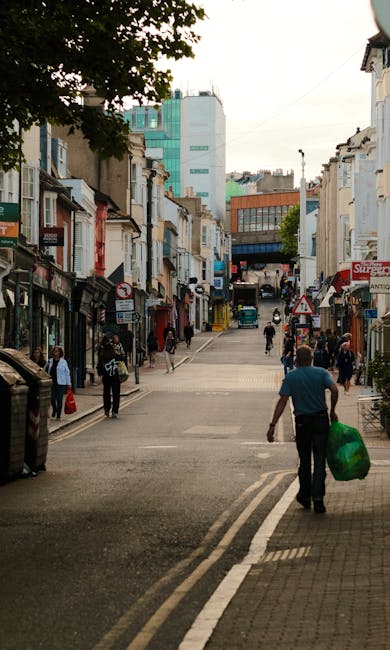
Horsenden Hill removals Greenford narrow access moving guide
If you are planning a move around Horsenden Hill in Greenford, chances are the easy part is choosing what to take and the hard part is figuring out how the van will actually get there. Narrow roads, awkward parking, tight turns, shared driveways, and limited loading space can turn a straightforward move into a bit of a puzzle. This Horsenden Hill removals Greenford narrow access moving guide is here to help you sort the practical side properly, so moving day feels calm instead of chaotic.
Whether you are moving from a terraced house, a flat with restricted access, or a property tucked away off a busy lane, the same principle applies: the more you plan for access, the less likely you are to face delays, rushed lifting, or unnecessary stress. Let's get into the details and make the whole thing feel a lot more manageable.
Why Horsenden Hill removals Greenford narrow access moving guide Matters
Narrow access changes everything. On paper, a move may look simple: load the furniture, drive over, unload, done. In real life, the street may be too tight for a large van to park beside the property, the turning circle may be poor, or a neighbour's car may leave you with half a metre of usable space. That is where planning becomes the difference between a tidy move and a frustrating one.
In Horsenden Hill and the surrounding Greenford streets, access issues often show up in small ways first. A driveway can be steeper than it looks. A side path can be too tight for wardrobes. A shared access lane can be blocked by bins, delivery vans, or just the usual weekday traffic. None of that is dramatic on its own, but together it can add time, lifting distance, and cost. Truth be told, it can also wear people out before the boxes are even inside.
The reason this matters so much is that moving is not only about transport. It is about distance from van to front door, safe lifting, route planning, and the right vehicle size. When access is awkward, the best move is usually the one that is planned with realism, not optimism. That sounds obvious, but it is easy to underestimate how much a few extra metres can matter when you are carrying a sofa or a washing machine.
For anyone comparing local help, it can also be useful to look at the wider service fit. A move with tight access may suit a smaller vehicle or a more flexible crew, which is where pages like man and van support or broader removal services can come into the picture. It depends on the property, the load, and honestly, how much access you have to work with.
How Horsenden Hill removals Greenford narrow access moving guide Works
Narrow access moving is really about problem-solving before the truck arrives. The process usually begins with a look at the property details: the road width, parking options, steps, stairwells, any gates, and whether there is space to unload safely. Then comes matching the job to the right vehicle and team size. That part matters more than people think.
If the road is tight, a large moving lorry may not be practical, even if it looks efficient on paper. A smaller moving van or a flexible man with van setup can sometimes save time because it can get closer to the property. Less walking with heavy items usually means lower risk of knocks, scuffs, or strained backs. Simple enough, really.
The move then becomes a sequence rather than a rush: park as close as possible, protect the floors, load the awkward pieces first or last depending on access, and keep the route clear. If the access point is especially tight, movers may use dollies, straps, blankets, and a more deliberate loading order. That is the bit where experience shows. Anyone can lift a box. Not everyone can thread a wardrobe through a narrow entrance without a scratch.
For larger household moves or mixed loads, you might also see a combination of services. Some jobs are best handled by house removals, while others work better with a more compact vehicle and fewer hands. The right approach depends on whether the challenge is volume, access, or both.
Key Benefits and Practical Advantages
Planning a narrow access move properly pays off in very ordinary, very useful ways. It may not sound glamorous, but fewer surprises on moving day is a lovely thing. Here are the main advantages.
- Less lifting distance: If the vehicle can park closer, your furniture spends less time in hands and more time where it belongs.
- Reduced damage risk: Fewer doorframe scrapes, wall knocks, and box corners catching on awkward edges.
- Better time control: The crew can work in a clearer rhythm when the route in and out is already planned.
- More suitable vehicle choice: Narrow roads often suit a smaller van or split-load approach rather than a large rigid vehicle.
- Less pressure on neighbours and traffic: A tidy loading plan keeps things moving without turning the street into a bottleneck.
There is also a quieter benefit: peace of mind. Knowing the access has been considered means you are not standing at the kerb at 8:15 a.m. thinking, "Well... that van is definitely not fitting there." Been there, seen that, and nobody enjoys it.
If you are comparing moving formats, a smaller van-led approach can be particularly effective for flats, part-load moves, or properties with limited road access. For some people, that is the practical sweet spot. For others, especially those with bigger homes or multiple rooms of furniture, a broader move plan may make more sense. A good mover should help you decide rather than push one option for every job.
Who This Is For and When It Makes Sense
This guide is especially useful if you are moving from or around Horsenden Hill and any of the following sound familiar:
- Your street is narrow, busy, or awkward to park on.
- You live in a terrace, maisonette, or flat with limited loading space.
- There are steps, a long path, a shared entrance, or a tight stairwell.
- You have bulky items such as wardrobes, beds, sofas, appliances, or office furniture.
- You need to move at a specific time and cannot afford long delays.
- You are trying to avoid upsetting neighbours or blocking access for others.
It also makes sense if you are choosing between different kinds of help. For example, a small domestic move may suit a man and van removal service, while a larger family home may need a more structured home moves approach. Office relocations, of course, bring a different kind of awkwardness entirely. Desks are heavy in a very stubborn way, somehow.
This is not just for first-time movers either. Even experienced movers can get caught out by a new address with worse access than expected. The postcode may be close, but the real-world loading conditions can be completely different. A short walk from the van to the door can still feel long if you are carrying a bookcase in drizzle. British weather, naturally, likes to join the chat.
Step-by-Step Guidance
If you want the move to run smoothly, use a simple sequence. It does not need to be complicated, just thorough.
-
Check the access before you book.
Look at the road width, the nearest legal parking spot, and any steps, gates, or low branches. If possible, visit the property at the same time of day you expect to move. Morning traffic and evening traffic can feel like entirely different worlds.
-
Measure the awkward bits.
Measure doorways, stair turns, hallways, and the largest item you own. A sofa that fits in the lounge may still be a nightmare through a narrow landing. Measuring sounds dull. It saves arguments later, which is a much better trade.
-
Choose the right vehicle size.
In narrow-access areas, bigger is not always better. A smaller removal van can be more practical if parking is difficult or the street layout is tight.
-
Plan the loading order.
Put the most awkward items in first if they need special handling, or last if they need to come out first. That decision should be based on access and delivery sequence, not just on habit.
-
Reserve space where you can.
If parking is limited, work out where the vehicle will stop and where the carry route begins. Even a few cones or a parked car shifted at the right time can make a big difference, provided everything is done legally and considerately.
-
Protect the route.
Use floor protection, door protectors, blankets, and straps. Narrow access tends to mean more contact with surfaces, so protection is not optional if you want to keep things neat.
-
Keep a clear box for essentials.
Put keys, chargers, kettle items, medication, and documents somewhere obvious. When access is difficult, nobody wants to search three different cartons for a phone charger at the end of the day.
One small but useful habit: do a final walk-through before the van leaves. It catches forgotten items, stray tools, and that one oddly important envelope that somehow always hides in a drawer.
Expert Tips for Better Results
Here is where the practical, field-tested stuff matters. These are the sorts of details that can turn a difficult move into a tolerable one, or a tolerable one into a smooth one.
- Use clear labels on boxes. Mark which room each box belongs to and add "fragile" only when needed. Too many fragile labels can make people stop trusting the labels at all.
- Keep the access route clear from the start. Hallways with shoes, bags, plant pots, and random clutter become hazards very quickly.
- Check stair widths and handrails. A handrail can help with stability, but it can also narrow the moving line. Small details, big impact.
- Ask about dismantling early. Beds, dining tables, and wardrobes often need to be taken apart to fit through tighter routes safely.
- Build in a little time buffer. Narrow access moves rarely happen with the same speed as a driveway-to-driveway move. Leave room for real life.
- Protect neighbours from avoidable disruption. Quick communication goes a long way. If you need the loading space for an hour, a polite heads-up is better than a surprise.
If you are arranging professional help, it can be useful to compare a flexible man and van option with larger-scale support from a removal company. The right choice is rarely about prestige. It is about fit.
And yes, someone will always say, "It looked smaller in the photos." That line appears in moves all the time. You'll probably hear it again.
Common Mistakes to Avoid
Narrow access problems are often caused by avoidable decisions rather than bad luck. The good news is that most of them are easy to sidestep once you know what to look for.
- Booking the wrong vehicle size: If the van cannot access the property, you have created a logistics problem before the job even begins.
- Assuming the street will be clear: Parking availability changes throughout the day. Morning optimism is not a parking strategy.
- Skipping measurements: One missed hallway turn can mean a piece of furniture has to be dismantled on the spot.
- Not telling the mover about access restrictions: A proper quote depends on accurate information. If you leave out the tight drive or the long carry, the move may be slower than expected.
- Leaving packing too late: Rushed packing creates weak boxes, loose lids, and more chance of damage during longer carries.
- Forgetting the unloading route inside the property: Not every issue is outside. Narrow internal hallways can be just as awkward.
To be fair, people often do not realise there is a problem until the actual move begins. That is normal. Still, a few simple checks beforehand can save a lot of back-and-forth and that slightly frazzled look everyone gets when the day starts slipping.
Tools, Resources and Recommendations
You do not need fancy equipment to handle a narrow access move, but a few practical tools make a big difference. These are the basics that help the move feel controlled rather than improvised.
| Tool or resource | Why it helps | Best used for |
|---|---|---|
| Measuring tape | Checks doorways, stair turns, and furniture dimensions | Planning bulky item movement |
| Furniture blankets | Protects edges and surfaces during tight carries | Wardrobes, tables, sofas, appliances |
| Straps and trolleys | Improves control and reduces strain | Heavy boxes and white goods |
| Floor covering | Helps prevent scuffs, mud marks, and scraping | Entrance halls and stairways |
| Room labels and marker pens | Makes unloading faster and less confusing | Every room in the property |
On the service side, useful starting points include removals for general moving help and packing and unpacking services if you want a bit more support before the van even arrives. That extra help is especially welcome when access is tight and every minute counts.
If you are comparing moving support, also think beyond the moving day itself. A well-organised move often starts with clear pricing, realistic expectations, and good communication. The page on pricing and quotes can be a sensible next step if you are still deciding what kind of service fits your move.
Law, Compliance, Standards, or Best Practice
For a local move, the most important thing is usually practical compliance rather than anything dramatic or highly technical. Still, a few standards and expectations matter. Vehicles should be loaded safely, lifting should be done with care, and access should not create unnecessary risk to people or property. That is just sensible working practice, and in the UK it is generally what responsible removals teams aim for.
When parking close to the property is not possible, movers should avoid creating hazards in the street or blocking access in a way that could cause issues for neighbours, pedestrians, or traffic. If any part of the move requires temporary parking arrangements, those should be planned lawfully and carefully. No one wants a move that turns into a parking dispute before lunch.
It is also worth paying attention to insurance and safety arrangements. If fragile or valuable items are being carried through tight access, the handling process should reflect that risk. You can read more about this approach on the site's insurance and safety page and the health and safety policy. Those pages help set expectations around safe handling, which is exactly what you want when stairwells and narrow hallways are part of the job.
Best practice also includes honest quoting. If access is awkward, the quote should reflect the extra time or specialist handling that may be needed. That is not overcomplicating things; it is just fair.
Options, Methods, or Comparison Table
Not every narrow access move needs the same setup. The best option depends on the size of the property, the amount of furniture, and how tight the access actually is. Here is a useful comparison.
| Option | Best for | Pros | Possible drawback |
|---|---|---|---|
| Small van move | Flats, light loads, very tight streets | Easier parking, more flexibility, faster close access | May need multiple trips for larger loads |
| Standard removals team | Family homes, mixed furniture, moderate access issues | Better for bulky items and structured loading | Can be less nimble on tiny roads |
| Man and van service | Part-loads, smaller homes, flexible timing | Good balance of cost, speed, and adaptability | Not always ideal for big household moves |
| Full-service house move | Large moves, dismantling, packing support | Less stress, more help on the day | Usually more resource-intensive |
If you are unsure which route fits your move, comparing a few service types side by side is usually the most sensible move. A compact vehicle does not mean a lesser service. In narrow-access parts of Greenford, it can be the smarter one.
Case Study or Real-World Example
Here is a realistic example. A couple moving from a flat near Horsenden Hill had a sofa, a bed frame, a dining table, and around 28 boxes. The street was narrow, parking was patchy, and the front entrance sat a fair distance from the nearest legal stopping point. On first glance, a large van looked like overkill and probably a headache.
Instead, the move was planned with a smaller vehicle, two movers, and a clear carry route. The sofa was measured beforehand and wrapped for protection. The bed frame was dismantled the evening before. Boxes were grouped by room, and the essentials bag was kept separate. Simple steps, but they mattered.
What made the difference was not speed for its own sake. It was the fact that the team could park close enough to avoid a long carry, keep the route clear, and unload in the right order. The result was a smoother finish, fewer scuffs, and less stress for everyone involved. The couple still had a busy day, obviously, but not a messy one.
That is the real point of narrow-access planning. You are not trying to make the move perfect. You are trying to make it controlled. There is a big difference.
Practical Checklist
Use this checklist a day or two before your move. It is simple, but it covers the things people most often forget.
- Measure the largest furniture items.
- Check the width of doors, stair turns, and hallways.
- Confirm where the vehicle can legally stop.
- Tell the mover about steps, long carries, or shared access.
- Reserve or clear space where possible.
- Pack essential items separately.
- Label boxes by room and priority.
- Dismantle furniture that will not pass through tight spaces.
- Protect floors and entrance areas.
- Keep pets, children, and visitors away from the loading route.
- Double-check keys, meters, chargers, and documents.
Expert summary: For narrow-access moves in Horsenden Hill and Greenford, the best results usually come from honest access checks, the right vehicle size, and a calm loading plan. Small planning steps make the day feel much lighter.
Get a free quote today and see how much you can save.
Conclusion
A move with narrow access around Horsenden Hill does not have to be stressful. It just needs the right kind of preparation. Once you know how close a van can realistically get, how the furniture will move through the property, and what needs protecting, everything becomes more straightforward. Still busy, yes. But manageable.
The key is to think like a mover before moving day arrives: measure first, plan access properly, and choose a vehicle and service level that fit the street as well as the property. That approach saves time, reduces damage risk, and makes the day feel far less frantic. And if you are still weighing up your options, a quick look at about us can help you understand the service style behind the move, while contact us is there when you are ready to ask something specific.
To be fair, moving will probably never be your favourite Saturday. But with the right plan, it does not need to be a horror story either.
Frequently Asked Questions
What makes Horsenden Hill removals tricky for narrow access properties?
They are often tricky because the road layout, parking options, and property entrance do not always work well with larger vehicles. Tight turning space, limited kerb space, and long carry distances can all slow the move down.
Should I choose a man and van or a larger removals team?
It depends on the size of the move and the access. A man with a van setup can be very practical for smaller homes or awkward streets, while a larger removals team suits bigger loads and more furniture.
How do I know if a van can fit outside my property?
Measure the road width, check whether parked cars reduce the space, and look at the stopping point nearest the entrance. If in doubt, share photos and measurements before booking so the access can be judged realistically.
Is it worth dismantling furniture before a narrow access move?
Usually, yes. Dismantling beds, tables, and wardrobes often makes the move safer and easier, especially if there are stair turns or narrow hallways.
What should I tell the removals company in advance?
Tell them about steps, long walks from the van, low ceilings, tight stairwells, parking limits, lifts, and any items that are especially bulky or fragile. The more accurate the picture, the better the plan.
Can I save money by using a smaller van?
Sometimes, yes. A smaller vehicle can be more suitable in tight streets and may reduce wasted time trying to park. But if it means too many trips, the savings may disappear. It needs to be balanced properly.
What happens if parking is not available near my home?
The movers may need to use a longer carry route from a legal parking space or adjust the vehicle size. That is why access checks matter so much before moving day.
Do I need packing help for a narrow access move?
Not always, but it can help. If you want to keep the day moving smoothly, packing and unpacking services can reduce the amount of last-minute handling and make loading more efficient.
How early should I book a move in Horsenden Hill?
As early as you reasonably can, especially if you have access issues. Good planning gives time to assess the property properly and avoid a rushed, one-size-fits-all setup.
Are narrow access moves more likely to cause damage?
They can be, if the route is not planned carefully. But with the right protection, measured items, and suitable vehicle choice, the risk can be reduced a lot.
Can office moves also involve narrow access problems?
Absolutely. Desks, filing cabinets, printers, and meeting tables can be awkward in tight corridors or shared entrances. In those cases, office removals or commercial moves may need the same careful access planning as a home move.
Where can I learn more about safety and service expectations?
The most useful next step is to review the site's health and safety policy and insurance and safety information so you know what good moving practice should look like.